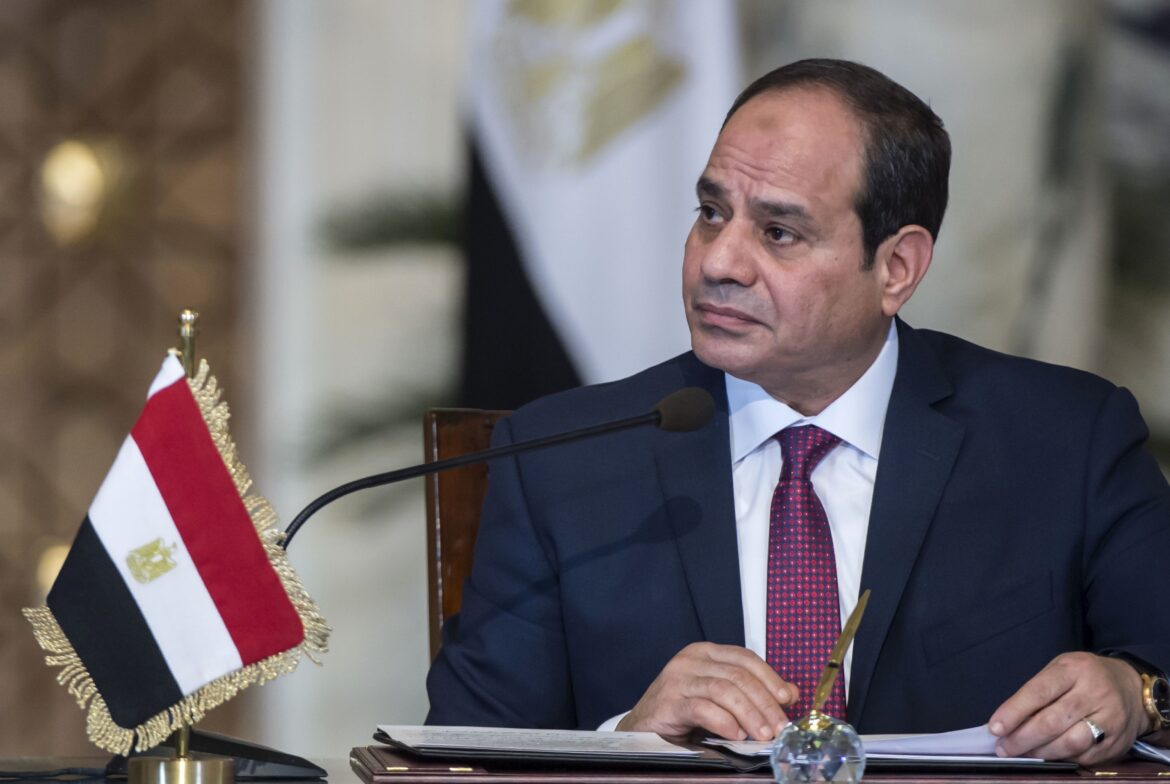
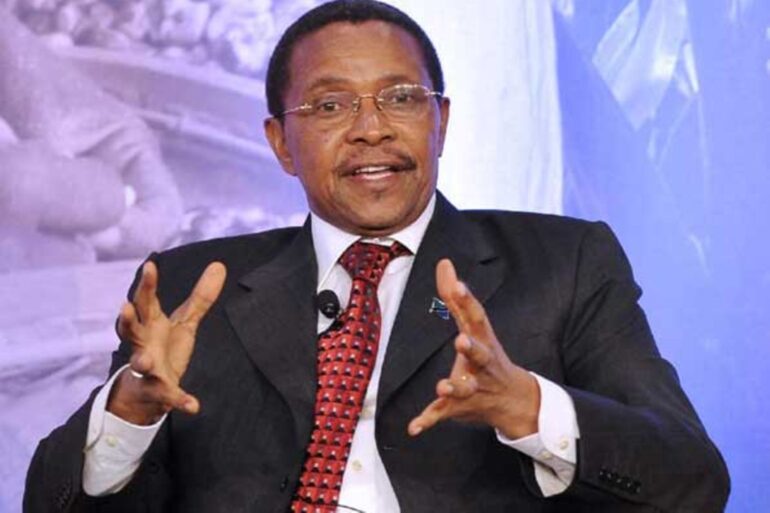
Egyptian President Abdel Fattah El-Sisi (Photo:CNN)
Cairo, April 4, 2026
Savanna Radio News
On April 4, 2026, Egyptian President Abdel Fattah el-Sisi delivered a forceful official address, outlining Cairo’s resolute strategy to counter Ethiopia’s handling of the Grand Ethiopian Renaissance Dam (GERD). He underscored Egypt’s deliberate move to internationalize the decade-long dispute, positioning the United Nations as the lead mediator while urging the United States, the global community, and African states to address Ethiopia’s “erratic and irresponsible approach.”
Sisi emphasized that Egypt views the GERD as an existential threat to its water security, given the Nile’s critical role in sustaining over 100 million Egyptians. He rejected unilateral filling of the dam without binding agreements, calling it a violation of international norms and a risk to downstream stability.
Historical Context
The GERD dispute traces back to 2011 when Ethiopia began construction on the Blue Nile, aiming for 5,150 megawatts of power but alarming Egypt and Sudan over water flow disruptions. Failed trilateral talks since 2015 have heightened fears of scarcity, with Egypt historically reliant on Nile waters under the 1959 treaty allocating it 55.5 billion cubic meters annually.
Key Points from Sisi’s Speech
-
UN Leadership: Egypt has elevated the issue to the UN Security Council, demanding enforcement of equitable water-sharing principles.
-
Global Appeal: Direct calls to the US citing its past mediation role and African Union members to pressure Addis Ababa.
-
Red Lines: Any move to fill the dam without consensus would prompt “all options,” including diplomatic isolation and legal challenges.
Editorial Analysis
Sisi’s address marks a tactical escalation, shifting from quiet diplomacy to public mobilization. By framing Ethiopia as the aggressor, Cairo seeks to rally African sympathy while exposing cracks in the AU’s mediation credibility. This risks polarizing the continent: upstream states may back Ethiopia’s sovereignty claims, deepening East African divides. For Nile Basin stability, renewed US-brokered talks with verifiable safeguards remain urgent prolonged stalemate could ignite resource conflicts in a drought-prone region. Savanna Radio listeners should watch for AU responses, as GERD’s fate will test pan-African unity.















Post comments (12)