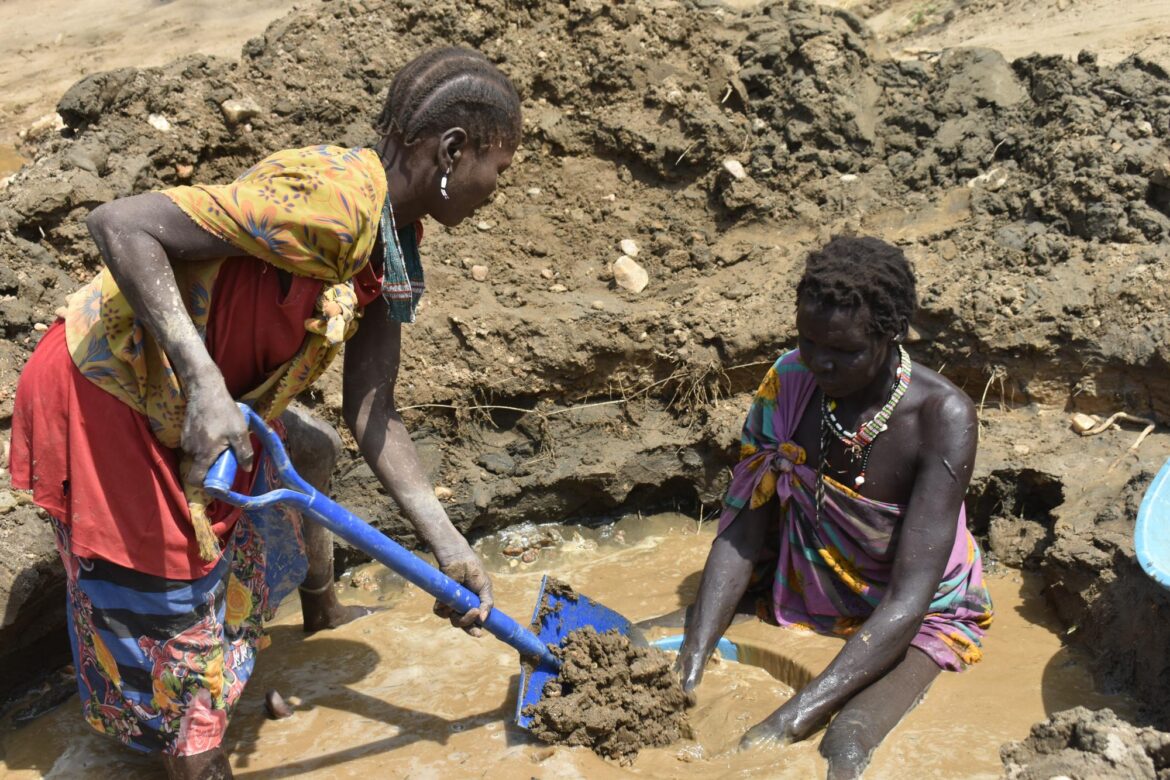
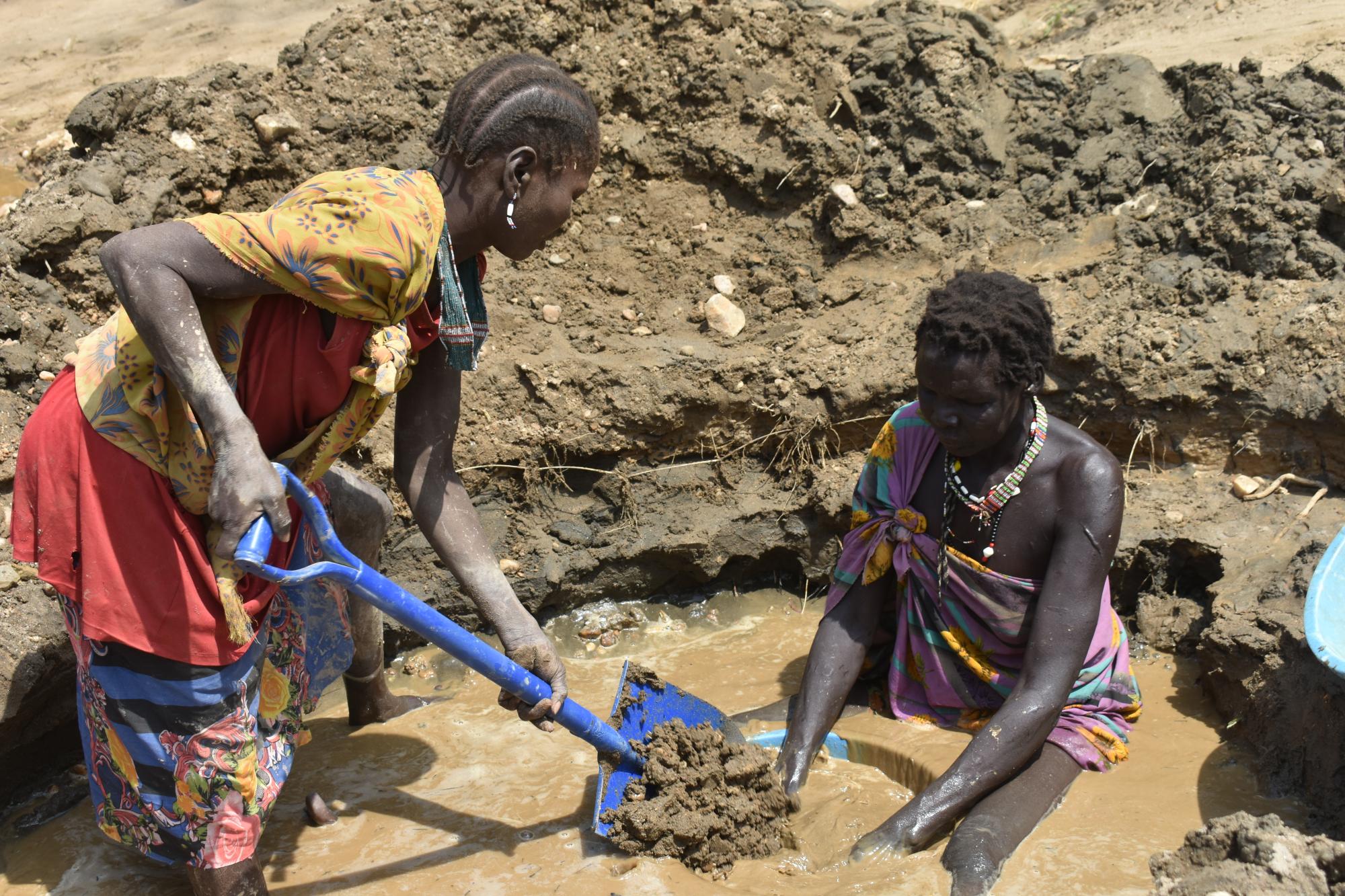
South Sudan local mining (Courtesy)
Juba, South Sudan — April 13, 2026
Savanna Radio News Bulletin
The United States has voiced fresh concern over transparency in South Sudan’s mining sector, warning that opaque gold-trade deals and unregulated concessions could replicate the corruption and mismanagement that haunted the country’s petroleum industry.
In a statement on Monday, the U.S. Embassy in Juba called on South Sudan’s government to strengthen transparency and fully disclose mineral contracts. “Responsible investment depends on clear governance and public accountability,” the Embassy said, urging adherence to international standards like the Extractive Industries Transparency Initiative (EITI).
The remarks follow reports of new large-scale gold mining contracts signed under South Sudan’s “gold-for-roads” initiative, a scheme where infrastructure projects are exchanged for mineral rights rather than cash. The government argues that this model accelerates national development amid budget constraints. However, critics say it mirrors the much-criticized “oil-for-roads” deals that left the country burdened with debt, incomplete infrastructure, and unanswered questions about revenue flows.
Civil society groups warn that without full disclosure of contract terms, such barter-based arrangements open the door to exploitation and corruption, eroding public trust. Several activists told Savanna Radio that local communities in Jonglei, Eastern Equatoria, and parts of Upper Nile have already raised concerns over land rights violations and lack of consultation in assigning mining leases.
South Sudan’s Ministry of Mining has defended the gold-for-roads approach, calling it “an innovative resource-driven investment model” meant to fast-track development. In a brief response, a ministry spokesperson said that reforms were underway to improve licensing, environmental oversight, and the publication of production data.
Savanna Radio Editorial Analysis
The echoes between the failed oil-for-roads projects and the emerging gold-for-roads policy are difficult to ignore. Both were launched with promises of infrastructure growth and economic self-reliance, yet both risk mortgaging South Sudan’s natural wealth in opaque and unaccountable ways.
The oil-for-roads initiative, once hailed as a practical solution to financing challenges, devolved into a web of unclear contracts and unfinished projects. Billions in oil revenue vanished into undisclosed agreements and inflated construction bills, leaving roads uncompleted and citizens disillusioned. Today, the same logic, resource barter in lieu of transparent budgeting is reappearing, this time through mineral assets.
Analysts warn that if the government repeats the same non-transparent practices in the mining sector, the cycle of resource mismanagement will continue, enriching political networks while depriving the nation of real development. The country’s future could once again hinge on secretive deals rather than accountable statecraft.
Transparency is not simply a political talking point, it is a survival issue for a nation still recovering from conflict and economic fragility. Without open data, community involvement, and parliamentary oversight, the gold-for-roads scheme risks becoming another missed opportunity in a nation rich in resources but poor in public benefit.
For South Sudanese citizens, the question remains: will this new wave of mining finally pave roads, or simply pave the way for another round of elite enrichment under the guise of development?























Post comments (12)