Addis Ababa, Ethiopia – February 19, 2026
By Savanna Radio News Desk
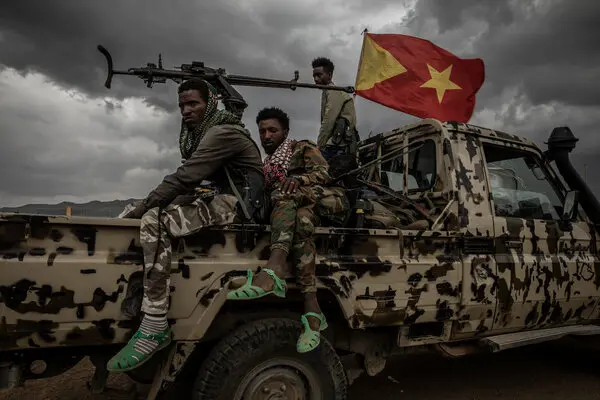
Renewed fighting in northern and central Ethiopia is raising fresh alarm over the safety of millions of civilians still recovering from the country’s previous devastating war. Reports of drone strikes, artillery fire, and clashes between federal forces and a range of regional and ethnic armed groups have sparked warnings of a new humanitarian crisis. Physicians for Human Rights (PHR) and the Organization for Justice and Accountability in the Horn of Africa (OJAH) say recent escalations in Tigray, Amhara, Oromia, and Afar risk “immediate and severe health harms,” including a feared resurgence of conflict‑related sexual and reproductive violence. The groups are receiving accounts of people once again fleeing parts of Tigray in fear of renewed abuses and large‑scale violations.
The UN High Commissioner for Human Rights, Volker Türk, has warned that fresh clashes in Tigray between the Ethiopian National Defence Forces (ENDF) and regional forces are worsening an already fragile situation. Drones, artillery, and other heavy weapons have reportedly been used by both sides, with civilians once again trapped between front lines and targeted for alleged links to rival forces. Human rights monitors note that the new violence comes only three years after the Pretoria Agreement, which was meant to silence the guns in northern Ethiopia. During the 2020–2022 war in Tigray, tens of thousands were killed and more than two million people were uprooted, with one million still internally displaced today. Earlier investigations documented mass killings, forced displacement, and widespread sexual violence by multiple parties, abuses for which survivors still struggle to access justice or adequate medical and psychological care.
Aid agencies warn that any slide back into full‑scale conflict would hit already fragile communities hard. The International Rescue Committee has identified Ethiopia as highly vulnerable to worsening crisis in 2026, citing the risk of renewed northern conflict, ongoing insecurity in Oromia, and climate shocks driving hunger and disease. As of mid‑2025, an estimated 3.3 million people were already internally displaced across the country, many living in precarious camps with limited access to food, health care, and basic services.
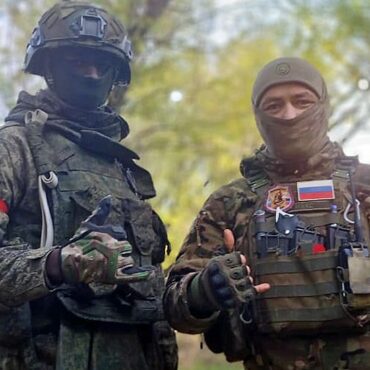
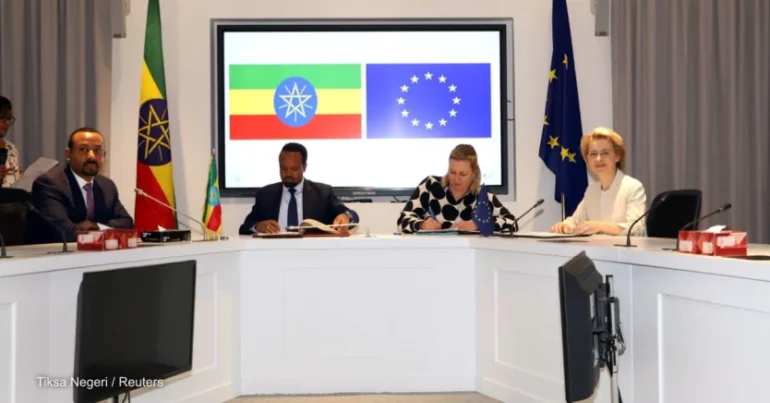
Regional and international actors are gathering in Addis Ababa this week for the 39th African Union Summit, and rights advocates say this moment is critical. PHR and OJAH are urging the AU, the UN Human Rights Council, and key governments to press Ethiopia and neighboring Eritrea to halt hostilities, allow unfettered humanitarian access, and restore independent human rights monitoring mechanisms. Analysts warn that unresolved tensions between Addis Ababa and Asmara, as well as reports of Ethiopia’s links to armed actors from neighboring conflicts, could turn renewed internal clashes into a wider regional crisis in the Horn of Africa.
For health workers and civilians who endured the last war, the fear is palpable. Medical staff in the north say they are already rationing scarce supplies and postponing non‑emergency care in case of mass casualties if large‑scale fighting resumes. With flights to Tigray briefly disrupted after clashes last month, many see this as a stark reminder of how quickly services and aid can be cut off when conflict flares.
Savanna Radio will continue to follow developments in Ethiopia and the Horn of Africa, including diplomatic efforts at the African Union and United Nations to prevent a new cycle of violence and protect civilians at risk.




















Post comments (0)