Malakal, February 14, 2026
Savanna Radio News…
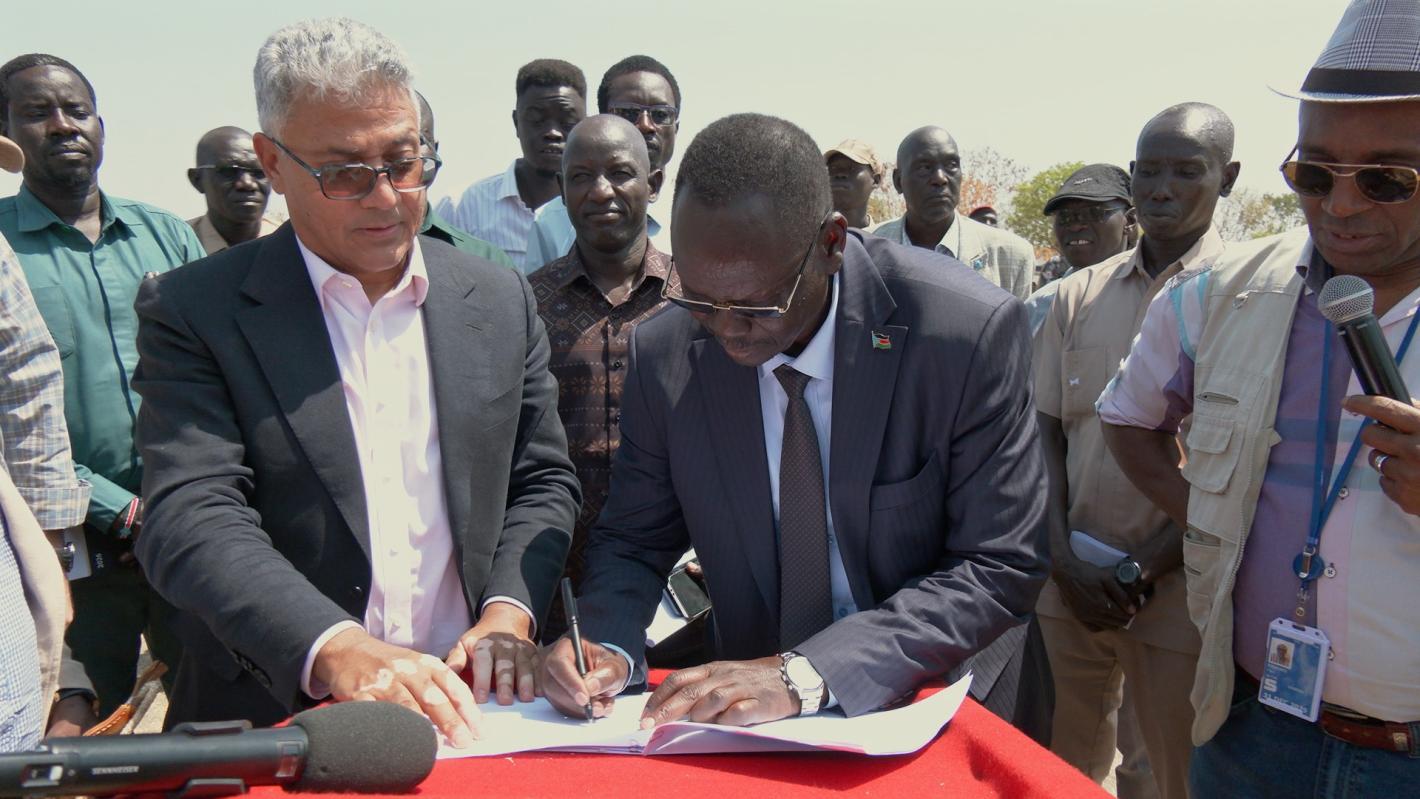
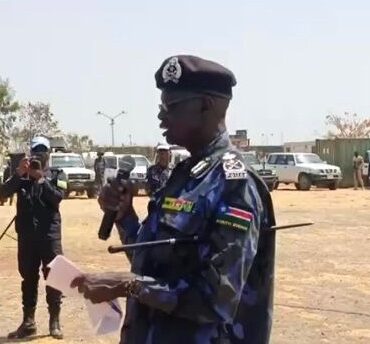
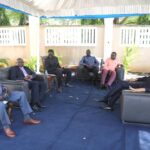
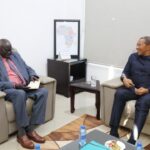
UN peacekeepers have officially handed over management of the last Protection of Civilians (PoC) site in Malakal to the Upper Nile State authorities, marking a major shift in how displaced people in the region will be protected and governed. UNMISS confirmed that it has transitioned the Malakal PoC site and two related protection compounds to the Upper Nile State government, including former Rwandan police and Indian battalion areas that previously hosted peacekeepers and civilians. State officials say local police have now been deployed and that the government has taken “full responsibility” for security and administration. The handover on 13 February was led on the state side by Deputy Governor Deng Akuei Kak, who pledged that authorities are “fully committed” to protecting all civilians in the arera.
Why UNMISS Is Handing Over
UNMISS says the change is part of a nationwide transition that began after the signing of the Revitalized Peace Agreement, as political violence eased in some areas. The mission’s strategy is to convert PoC sites into regular internally displaced persons (IDP) settlements under South Sudan’s sovereign control, while keeping a “clear mandate” to step in if government protection fails. UNMISS also argues that withdrawing troops from fixed camps allows more mobile patrols and wider area protection in other hotspots.
What It Means for Displaced People
Residents will no longer live in a UN-run “Protection of Civilians” site but in a government-managed settlement, similar to other IDP camps across South Sudan. Authorities in Upper Nile say existing infrastructure will remain, with parts of the former UN base to be used for community services and state institutions, including police posts. Humanitarian agencies are expected to continue delivering assistance, but day-to-day security decisions will now be made by state organs rather than UNMISS.
Hopes and Fears
For the government, the handover is presented as a vote of confidence in local institutions and a step toward normalizing life after years of conflict and displacement. For many displaced families especially in a state that has seen repeated violence, there are lingering concerns about whether national and state forces will truly protect all communities “without discrimination.” Analysts and humanitarian groups warn that if underlying tensions in Upper Nile are not resolved, the shift from UN to state control could test the government’s promises and UNMISS’s readiness to respond if new threats emerge.


















Post comments (0)