
Ethiopian Prime Minister Abiy Ahmed (Courtesy)
Addis Ababa, February 28, 2026
By Savanna Radio Staff Writer…
Ethiopian Prime Minister Abiy Ahmed’s insistence that his country must secure its own seaport on the Red Sea, preferably in Eritrea’s Assab, has revived old tensions and prompted warnings that the Horn of Africa could be heading toward another war. Abiy has repeatedly argued that Ethiopia’s lack of direct access to the sea is “untenable,” calling Red Sea access a historic, legal, and economic right that his government will pursue as an “irreversible” national objective. He has publicly recalled talks with Eritrean President Isaias Afwerki about redeveloping the Eritrean port of Assab for mutual benefit, saying Addis Ababa even offered to invest in the port, a proposal Eritrea declined.
In speeches to parliament and the military, Abiy has framed sea access as vital for Ethiopia’s long‑term survival and regional prosperity, pointing to billions of dollars in annual port fees paid to Djibouti and describing these costs as a heavy drain on the economy. While he insists Ethiopia prefers legal and diplomatic options such as leasing, joint development, or purchase of port facilities, he has also warned that the issue cannot be postponed indefinitely as the population and economy grow.
From Somaliland deal to focus on Assab
Abiy’s push helps explain his controversial 2024 memorandum with Somaliland, which sought maritime access on the Gulf of Aden and triggered a fierce backlash from Somalia, which sees Somaliland as part of its sovereign territory. That dispute has since cooled, but analysts say the focus has now shifted toward Eritrea’s Assab port, where Abiy’s rhetoric has hardened and his military signaling has become more visible.
Regional researchers note that Ethiopia’s domestic economic pressures, post‑war instability after the Tigray conflict, and the heavy cost of using Djibouti’s port are key drivers behind Abiy’s renewed urgency over sea access. Critics inside and outside Ethiopia contend that the seaport agenda also serves as a nationalist rallying point to deflect attention from governance failures, inflation and reports of hunger in several regions.
Military buildup and talk of a “looming conflict”
Eritrean officials accuse Abiy’s government of pursuing a “long‑brewing war agenda” to seize Assab by force, pointing to Ethiopian military parades and speeches that highlight the Red Sea issue. Analysts and diplomats say both sides have moved troops and hardware closer to the border, describing a visible buildup that has raised alarm among neighbors and international partners.
At a recent parade in the southern Ethiopian city of Hawassa, Abiy reviewed troops and hardware while stressing Ethiopia’s determination not to remain landlocked, a display some Eritrean voices interpreted as thinly veiled coercive signaling over Assab. United Nations Secretary‑General António Guterres has urged Ethiopia and Eritrea to respect the 25‑year‑old border agreement and resolve disputes peacefully, while regional leaders quietly lobby both sides to step back from confrontation.
Domestic and regional fault lines
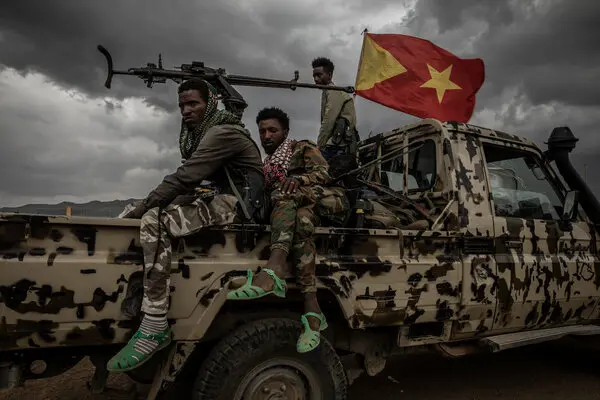
Any clash over Assab would not only pit Ethiopia against Eritrea but could also entangle actors inside Ethiopia, including Tigrayan leaders who fought a brutal war with Abiy’s government and retain deep mistrust of both Addis Ababa and Asmara. Reports from analysts suggest some Tigrayan elements and Eritrean forces are already coordinating positions along parts of the frontier, underscoring how quickly a border crisis could revive fault lines left over from the Tigray war.
Observers warn that a new Ethiopia–Eritrea war would threaten shipping routes through the Red Sea, worsen humanitarian crises, and further destabilize a region already strained by conflict in Sudan, Somalia and the wider Sahel. For now, Abiy maintains that Ethiopia will prioritize dialogue and “mutual interest,” but his insistence that sea access is non‑negotiable, and Eritrea’s rejection of any deal that touches its sovereignty over Assab, leaves the Horn of Africa on edge.




















Post comments (0)