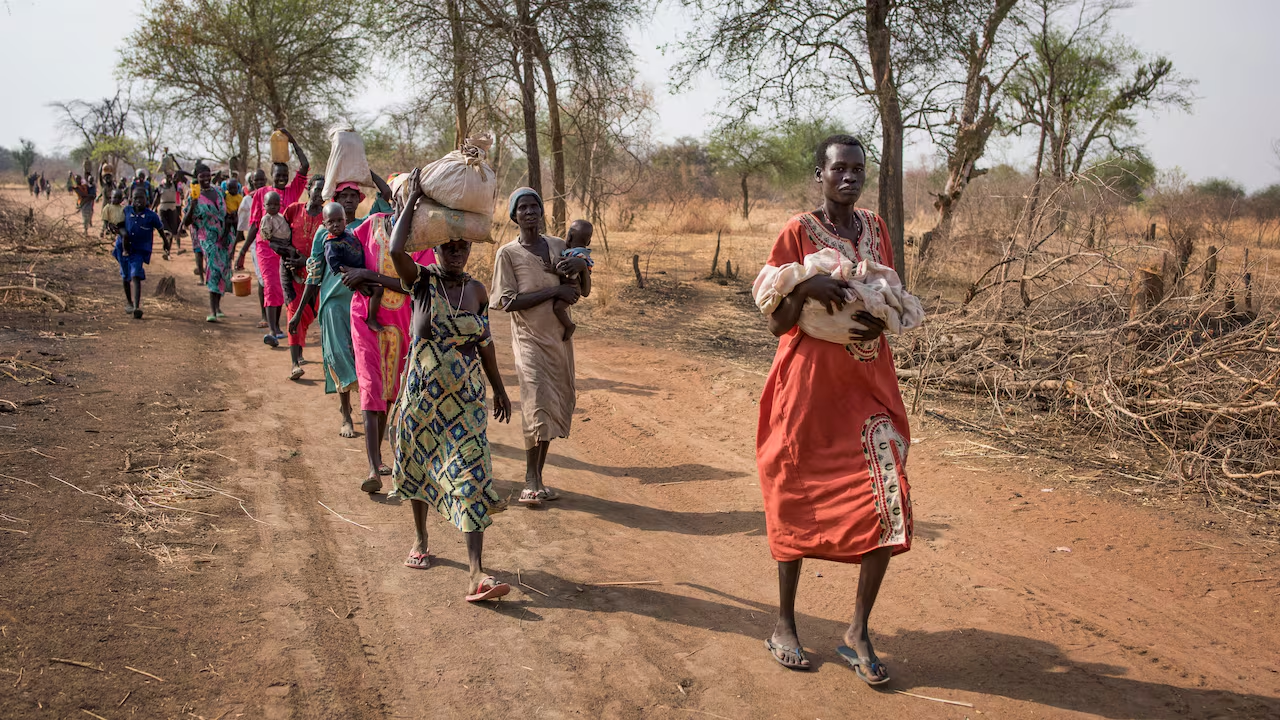
Displaced Civilians
Juba, February 23, 2026
By Savanna News Desk…
South Sudan’s escalating conflict has forced nearly 280,000 people from their homes in just a matter of weeks, creating what the United Nations is warning could become a “perfect storm” of humanitarian catastrophe. The renewed fighting, concentrated in several flashpoint areas but rippling across multiple states, has driven families into swamps, bushland, and overcrowded displacement sites with little more than the clothes on their backs. Many of those fleeing are women and children who have walked for days without adequate food, clean water, or medical care, arriving exhausted and traumatized.
Aid agencies say the sudden surge in displacement is overwhelming already strained humanitarian operations. Clinics and feeding centers report rising cases of severe malnutrition, preventable diseases, and untreated injuries, while flooded roads, insecurity, and looting are hampering the delivery of lifesaving assistance. Humanitarian workers are warning that if fighting continues and access remains restricted, the country could see a rapid deterioration in food security and public health, with local communities bearing the brunt of the crisis.
The UN’s characterization of a looming “perfect storm” reflects the convergence of conflict, economic hardship, climate shocks, and political uncertainty that has plagued South Sudan for years. Observers note that the latest violence risks derailing fragile peace efforts and deepening mistrust among communities already scarred by cycles of conflict and displacement. Calls are growing for all parties to immediately cease hostilities, protect civilians, and guarantee safe passage for humanitarian aid, as regional and international actors face renewed pressure to help prevent another large‑scale tragedy in the world’s youngest nation.
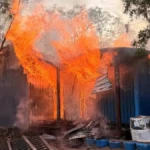
For the displaced families sheltering under trees, in schools, and in makeshift camps, the priority is simple: safety, food, and a chance to return home in peace. Many tell of villages burned, relatives missing, and livelihoods destroyed, with little confidence that conditions will improve soon. As the rainy season approaches and needs continue to rise, South Sudan stands at a critical crossroads—between yet another deepening crisis, or a concerted effort by national leaders and the international community to pull the country back from the brink.

















Post comments (0)