
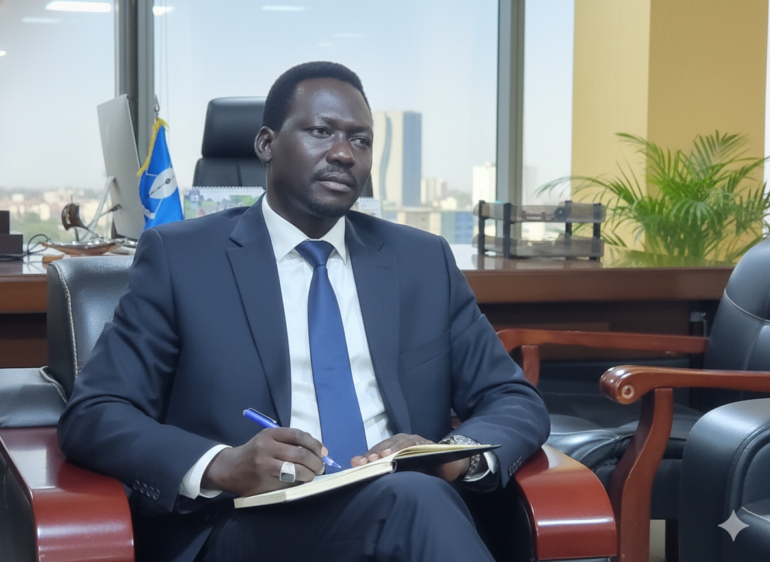
Hon. David Nyang K.
Nairobi, 30/01/2026
By David Nyang K.
SAPs: A Recipe for Perpetual Poverty in Sub-Saharan Africa
The World Bank and IMF’s Structural Adjustment Programs (SAPs), imposed on Sub-Saharan Africa from the 1980s onward, promised economic revival through austerity, privatization, and trade liberalization but instead entrenched poverty by dismantling social safety nets and prioritizing debt repayment over human needs. SAPs mandated sharp cuts in public spending on health, education, and subsidies, directly hitting rural poor who comprised 80-90% of Africa’s impoverished. David Nyang argues that these measures eroded fragile human capital, worsening infant mortality and illiteracy as governments shifted funds from primary services to debt servicing, leaving smallholder farmers without extension services or affordable inputs. In countries like Ghana and Tanzania, and other African countires, devalued currencies doubled rural purchasing power briefly for cash crops but triggered food price spikes that starved urban and vulnerable households
Forced privatization of state enterprises led to massive layoffs, millions jobless in Nigeria and Zambia, while foreign firms repatriated profits, stifling local reinvestment. Nyang notes that SAPs ignored Africa’s weak institutions, fostering corruption as elites captured privatized assets, widening inequality without broad-based growth; domestic savings fell as aid dependency soared. Agriculture, employing 70% of labor, saw export biases neglect food security, perpetuating mono-economies vulnerable to commodity crashes.
SAPs locked nations into cycles where loan-funded reforms serviced prior debts, not development. Africa’s external debt ballooned from $60 billion in 1980 to over $200 billion by 1990. As Nyang critiques, lack of policy autonomy meant ignoring contextual realities like high population growth and poor infrastructure, dooming SSA to “adjustment without growth” and brain drain from demoralized civil services. Human development indicators deteriorated despite modest GDP upticks in “success” cases. SAPs exemplify top-down economics blind to Africa’s rural realities, as Nyang warns: true recovery demands inclusive governance, diversified agriculture, and anti-corruption over endless austerity. Sub-Saharan leaders must reclaim sovereignty to invest in people, not creditors.
African Alternative Framework to Structural Adjustment (AAF-SAP)
lternatives to the World Bank and IMF’s Structural Adjustment Programs (SAPs) for Africa’s debt crisis focused on African-led strategies emphasizing sovereignty, regional solidarity, and people-centered development rather than austerity and liberalization. AAF-SAP, proposed by African economists and policymakers in the late 1980s, rejected SAPs’ one-size-fits-all approach as inadequate for structural issues like weak institutions and commodity dependence. It advocated regulated trade and finance to channel resources into production, state-led industrialization, and food self-sufficiency over export biases that neglected local needs. Leaders like Thomas Sankara called for a united front against debt at forums such as the 1985 Havana Continental Dialogue, echoing Fidel Castro’s push for a debt strike to break the neocolonial cycle where repayments exceeded new investments. This radical solidarity aimed to restore policy autonomy without endless servicing of odious debts.
In a diversified financing and South-South Cooperation, proposals emphasized intra-African trade via strengthened institutions like the African Union and ECOWAS, alongside domestic resource mobilization through progressive taxation and anti-corruption. East Asian-style developmental states, strategic state intervention, export diversification, and protected infant industries were cited as models adaptable to SSA contexts, prioritizing human development over creditor demands. Advocates urged turning to non-Western sources currency swaps, like BRICS development banks, and regional pools to bypass IMF conditionality. Microfinance, fintech for inclusion, and social entrepreneurship were pitched to build resilience, reducing aid dependency while fostering inclusive growth. David Nyang echoed these, stressing contextual reforms over imported orthodoxy to reverse SAP-induced poverty traps.
Botswana and Mauritius stand out in Sub-Saharan Africa for prudent debt management that avoided SAP pitfalls, leveraging strong institutions, diversified revenues, and fiscal discipline to maintain low debt burdens and sustained growth. Botswana kept public debt-to-GDP below 20% from 2004-2024, even through global crises like 2008 and COVID-19, far outperforming the region’s near-60% average by 2020. Diamond revenues funded strategic reserves via the Pula Fund, buffering shocks while prioritizing infrastructure over borrowing; ethical leadership and public investment efficiency (e.g., 2022 assessments closing efficiency gaps) built investor trust, exiting Financial Action Task Force (FATF) grey lists and attracting Foreign Direct Investment (FDI).
Mauritius enforced statutory debt ceilings of 60% GDP until 2017, then 50% with Moody’s Baa1 rating despite post-COVID spikes, thanks to a robust Public Debt Management Act and diversified domestic portfolio favoring long-term bonds over short-term risks. During crises, the Mauritius Investment Company channeled liquidity transparently, while parliamentary oversight and fiscal consolidation plans ensured sustainability amid tourism/export reliance. Both nations succeeded through democratic accountability, anti-corruption judiciaries, and homegrown strategies. Botswana via resource stewardship, Mauritius via legal frameworks, contrasting SAP-induced austerity by investing in human capital and regional trade without creditor diktats. These models validate African alternatives like AAF-SAP, proving sovereignty trumps orthodoxy for debt mastery.
Hon. David Nyang can be reached through email: nyang777@outlook.com
Disclaimer:
The opinions expressed in the preceding article on the World Bank/IMF Structural Adjustment Programs (SAPs) and related debt management discussions represent the individual viewpoint of the author and do not reflect the official position, editorial stance, or views of Savanna Radio. Our platform is committed to presenting diverse perspectives for public discourse.





















Post comments (0)